


Basel International Lieder / Art Song Vocal Competition 2027Apply ← click First Round Entry Fee: JPY 19,000 Paypal ← click Entry period: October 25, 2026 (Sunday) ー December 25, 2026 (Friday) |
Basel International Lieder / Art Song Vocal Competition 2027
Official Application Guidelines
[Purpose]
This competition aims to deepen understanding and study of art songs from around the world, explore the artistic expression created by poetry, language and music, and pass outstanding works and performances on to future generations.
Art song is an art form in which the thoughts, scenes and emotions that poets entrust to words resonate deeply with composers’ musical interpretations. The competition values careful attention to the meaning and sound of words, as well as to the cultural and historical contexts in which the works were created. It seeks to bring musical interpretation and expression through language together at a high level.
The Final Round will take place in Kagurazaka, Tokyo, a district with a rich history and culture associated with many writers and artists, including Natsume Soseki. Art songs from around the world will come together at Ongaku no Tomo Hall, operated by Ongaku no Tomo Sha, which has long supported Japan’s musical culture. There, singers and pianists will engage sincerely with the works they perform.
We hope the competition will provide a place to consider the value of art song across national and linguistic borders and to pass its spirit and performance on to the next generation.

[Eligibility]
Applicants of any nationality or educational background may enter, whether professional or amateur.
Applicants must be at least 18 years old as of the final deadline for entry to the First Round. There is no upper age limit.
To verify their age, applicants must submit a copy of an identity document showing their date of birth, such as a student ID card, driver’s license or passport. Documents submitted for this purpose will be used only to verify age.
[Schedule and Repertoire]
First Round | Online video screening
- Repertoire: One or more pieces of the applicant’s choice, with a total performance time of no more than 6 minutes. Multiple pieces are permitted.
- Entry period: October 25, 2026 (Sunday) to December 25, 2026 (Friday).
- Results announced: January 22, 2027 (Friday).
Second Round | Online video screening
- Repertoire: One or more pieces of the applicant’s choice, with a total performance time of no more than 8 minutes. Multiple pieces are permitted.
- Entry period: January 22, 2027 (Friday) to January 31, 2027 (Sunday).
- Results announced: February 25, 2027 (Thursday).
- Written comments will be sent electronically.
Final Round | Live performance at the venue
- Repertoire: Pieces of the applicant’s choice. Total time on stage must not exceed 18 minutes, including entrances, exits and bows. The suggested performance time is approximately 15 minutes. Applicants must perform at least three art songs in more than one language; at least one must be a German Lied.
- Final Round application period: March 1, 2027 (Monday) to March 7, 2027 (Sunday).
- Date: April 24, 2027 (Saturday).
- Venue: Ongaku no Tomo Hall, Shinjuku, Tokyo.
[Prize Money and Awards]
Art songs from all countries are welcome. Applicants may perform German, Italian, French, Japanese, British and American, Russian, Chinese, Korean, Spanish and other art songs, regardless of country or language.
The Grand Prix, with prize money of JPY 1,000,000, will be judged without regard to the country or language of the songs performed and is intended for the most outstanding performer.
Total prize money: JPY 2,000,000
- Grand Prix: Certificate, plaque and JPY 1,000,000.
- Schubert Lied Award: Certificate, plaque and JPY 400,000.
- Japanese Art Song Award: Certificate, plaque and JPY 100,000.
- Italian Art Song Award: Certificate, plaque and JPY 100,000.
- French Art Song Award: Certificate, plaque and JPY 100,000.
- British and American Art Song Award: Certificate, plaque and JPY 100,000.
- Russian Art Song Award: Certificate, plaque and JPY 100,000.
- Accompanist Award: Certificate, plaque and JPY 100,000.
- Audience Award: Certificate and plaque, determined by audience vote.
Multiple awards. If a performance is judged to be of exceptionally high artistic quality and accomplishment, the performer may receive both the Grand Prix and an art song award, such as the Japanese Art Song Award, or another award.
Prize money will be transferred to a designated bank account after any tax required under Japanese law has been withheld.
Other awards. Contestants awarded first through sixth place, as well as selected entrants, will receive certificates and commemorative gifts.
[Chair of the Executive Committee]
Noriko Kawamura
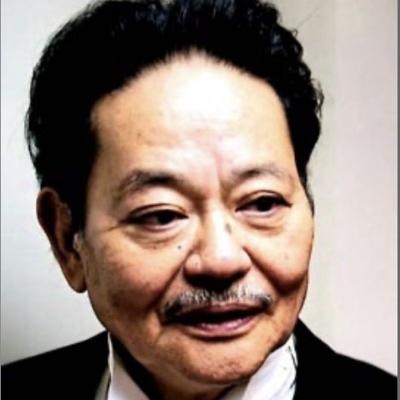
[Jury Members for 2027]
|

|

|

|
|

[Application and Terms of Participation]
Please read the following terms before entering. By completing an entry, applicants are deemed to have reviewed and agreed to these guidelines and terms of participation.
How to Apply
Applications are accepted only through the online formrun application system.
Please configure your email account to receive messages from formrun and baselvocalconcours@gmail.com.
Important Notice About Receiving Email
Important notices from the competition office may fail to arrive because a mailbox is full, a message is directed to a spam folder, or a mobile carrier blocks incoming email. Applicants must keep their email accounts able to receive messages at all times, including by maintaining sufficient free space and checking spam folders. The Organizer accepts no responsibility for disadvantages arising from an applicant’s inability to receive or failure to check email.
Video Recording and Submission
Upload each video for judging to YouTube as Unlisted and submit its URL. Videos set to Private cannot be viewed for judging.
First Round videos must have been recorded on or after January 1, 2026. A new recording made specifically for this competition is not required; an existing performance video recorded within that period may be submitted.
For the Second Round, submit a performance video newly recorded for this competition. A video submitted for the First Round may not be reused.
Record the video from the front so that the applicant’s upper body or full body is visible.
Copyright and Video Availability
Applicants are responsible for checking and obtaining, in advance, any rights or permissions required for their repertoire and for uploading their videos to YouTube, including rights relating to sheet music and permissions from copyright management organizations. The Organizer accepts no responsibility for copyright disputes concerning submitted videos, including blocked audio, claims by rights holders or restrictions on viewing.
Do not change the privacy settings of, or delete, submitted Unlisted YouTube videos until all stages of the competition and the announcement of the final results have been completed. If YouTube’s rights identification systems, such as Content ID, make a video unavailable for viewing, it may not be possible to judge the performance.
Performance and Repertoire Rules
In every round, applicants must sing vocal art songs with piano accompaniment performed by a pianist. Recorded accompaniment, backing tracks and karaoke are not permitted.
All pieces must be sung in their original language. Transposition to a different key is permitted; applicants may use a score suited to their vocal range.
In both the First and Second Rounds, applicants may submit more than one piece within the time limit, but must submit at least one piece.
In the Final Round, applicants must perform at least three art songs in more than one language, including at least one German Lied.
Opera arias are not permitted. Only vocal art songs may be performed in any round.
The same piece may not be performed in both the First and Second Rounds. A piece performed in a preliminary round may, however, be performed again in the Final Round.
All performances in all rounds must be from memory.
Video and Audio Editing
Editing or joining sections of a video is permitted, provided that the submitted performance is the applicant’s own actual singing.
Adjustments to volume and acoustic balance are permitted when they convey the performance and the venue’s acoustics naturally. Pitch correction, replacement of the singing voice, excessive effects, and any other audio processing that misrepresents the applicant’s actual singing ability are not permitted.
An applicant may be disqualified if prohibited processing is found.
Identity Verification in the Second Round Video
Before singing in the Second Round video, applicants must record a brief spoken self-introduction to establish their identity. In their own voice, they must state their name, the name of the competition, that they are participating in the Second Round, and the titles and composers of the pieces they will perform.
The introduction may be in Japanese, English or another language used by the applicant. It does not count toward the performance time limit.
Exceeding a performance time limit does not result in a point deduction, but judging ends when the specified time limit is reached.
After an entry is completed, the submitted video cannot be replaced or deleted. If a technical problem occurs during the application process, contact the competition office promptly.
Entry Fees
Applications from within Japan
- First Round: JPY 15,000 before tax; JPY 16,500 including tax.
- Second Round: JPY 24,000 before tax; JPY 26,400 including tax.
- Final Round: JPY 30,000 before tax; JPY 33,000 including tax.
Applicants applying from within Japan must pay by bank transfer to the Organizer’s corporate bank account. If the name of the person making the transfer differs from the applicant’s name, declare this when applying.
Applications from overseas
Overseas entry fees include PayPal payment processing fees and overseas administrative fees.
- First Round: JPY 19,000.
- Second Round: JPY 30,000.
- Final Round: JPY 40,000.
Applicants applying from overseas must pay by PayPal. Japanese nationals living overseas may also use PayPal. The amount actually charged in local currency may vary because of currency conversion.
Entry fees and payment processing fees are non-refundable for any reason except as otherwise provided in these guidelines.
Bank Details for Applicants in Japan
- Bank: GMO Aozora Net Bank.
- Branch: Corporate Sales Department.
- Account type and number: Ordinary savings account 1211700.
- Account name: シャ)スープラライトウングメトーデジャパンApplicants are responsible for bank transfer fees. If the transfer is made in a name other than the applicant’s, declare this when applying. Entry fees will not be refunded for a cancellation or withdrawal for personal reasons after the entry has been completed.
Accompanists for the Final Round
As a rule, finalists must arrange and bring their own accompanists. Overseas finalists and others who wish to use an official accompanist arranged by the Organizer will be charged the following fee:
Accompaniment fee: JPY 60,000 before tax; JPY 66,000 including tax. The fee includes PayPal fees and overseas administrative fees.
The fee covers arranging an official pianist; two rehearsals of 45 minutes each; accompaniment in the Final Round; and the cost of a rehearsal studio in Tokyo. The fee may change depending on the difficulty of the repertoire or the number of additional rehearsals requested.
Interpretation
A separate interpretation fee will apply if an interpreter is needed during the applicant’s stay in Japan.
Final Round Performance Times and Order
Finalists cannot specify their performance time or order. They must perform according to the timetable set by the Executive Committee.
Use of Photographs, Video and Audio
The Organizer may use, publish and make available profile photographs, performance videos, and other photographs, video and audio submitted by applicants in connection with entry or participation, as well as photographs, video and audio recorded by the Organizer in connection with the competition. Such materials may be used on the official website, social media, YouTube, promotional and printed materials, and records for the purposes of promoting and documenting the competition and introducing its activities.
Re-entry
A person who has previously participated in this competition may enter again unless they have won prize money in a previous edition.
Visas
Finalists must obtain their own visas if required. Contact the competition office if an invitation letter or other documents are needed. If issuing an invitation letter requires special documents to be prepared, an additional fee will apply because the work will be entrusted to the Organizer’s consulting administrative scrivener. The Organizer accepts no responsibility if a participant engages in performance activities during their stay in Japan that are deemed to have a commercial purpose.
Results and Final Round Procedures
Results will be announced on the official website, and applicants who advance will be notified by email.
After being notified that they have passed the Second Round, finalists must acknowledge receipt of the notification or complete the prescribed Final Round participation procedures by the stated deadline. If neither is confirmed by that deadline, or if the finalist cannot be contacted because email cannot be delivered or for a similar reason, they will be deemed to have withdrawn and their place in the Final Round will be forfeited. In that case, the next applicant in the ranking may be offered a place in the Final Round.
The dates and times of results announcements may change or be postponed depending on the number of applicants or the progress of judging.
Receipt of Prize Money
Prize money will be awarded to outstanding performers who comply with these rules. The award ceremony will be held on the same day after the Final Round performances and jury deliberations.
As a rule, a prize winner who does not attend the award ceremony will not be eligible to receive prize money. Prize winners are asked to submit a short video comment about receiving their award.
Prize money will generally be transferred to a designated bank account within approximately three months after the award is conferred. An award may be left unawarded depending on the judging results and standard of performance.
YouTube Videos of Prize Winners
Prize winners may be asked to change their performance videos from Unlisted to Public on YouTube.
Changes to the Guidelines
The Organizer may change these guidelines without prior notice because of world events or other unavoidable circumstances. Jury members may change because of their own circumstances or other unavoidable circumstances. The content and number of written comments may vary depending on the number of entries and other factors. Changes will be announced promptly on the official website.
Violations of the Rules
Objections to judging results will not be accepted.
If false statements, false submissions or other serious violations of the rules are found, the Organizer may revoke an award, request the return of prize money or other prizes, prohibit future participation, or take other measures it considers necessary.
If an applicant or prize winner is found to have defamed the Organizer, operating staff, jury members or other persons involved; seriously damaged their reputation or credibility; intentionally spread false information or information likely to cause serious misunderstanding; used abusive language, threats or intimidation; engaged in harassment, made false statements, obstructed operations, or otherwise seriously impeded the fair and smooth running of the competition, the Organizer may take action after establishing the facts and considering the seriousness of the conduct. Such action may include revoking eligibility or an award, requesting the return of prize money or other prizes, suspending or prohibiting future participation, or taking other measures considered necessary and proportionate, whether the conduct is discovered at the application stage, during judging or after an award.
The Organizer may also take necessary action, after establishing the facts, if a serious violation is discovered after an award has been made.
Changes to the Format, Cancellation and Refunds
If a natural disaster, war, epidemic, major disruption of transport, request from a public authority, or another event beyond the Organizer’s reasonable control makes it difficult or impossible to hold live judging at the venue, the Organizer may change it to online judging, including video judging. A change in judging format alone does not entitle applicants to a refund of the entry fee.
If, however, the Organizer determines that such an event makes it impossible to conduct the judging itself, including online judging, the entry fee for the affected round will be refunded.
As a rule, entry fees will not be refunded if a participant cannot take part because of absence, withdrawal, lateness, inability to travel or other personal circumstances.
Participation Expenses
Participants are responsible for all costs associated with participation, including communication, recording, accompaniment, transport, travel, accommodation and visa expenses.
Hotel and Flight Arrangements
As a rule, finalists must make their own hotel and flight arrangements. An additional service fee will apply if they ask the Organizer to arrange these on their behalf.
Practice Rooms
Finalists may practice in a music studio booked by the Organizer, expected to be located in Tokyo. Follow the Organizer’s instructions regarding hours of use and other arrangements.
Insurance
Participants are responsible for taking appropriate care regarding illness, accidents and injuries during their participation. They should obtain travel or accident insurance if needed.
Public Admission to the Final Round
The Final Round will be open to the public. A paid ticket is required for admission. Seating is limited, so early reservation is recommended. Ticket sales are expected to begin in mid-February 2027.
Venue Access
Ongaku no Tomo Hall
6-30 Kagurazaka, Shinjuku-ku, Tokyo 162-8716, Japan
- Approximately one minute on foot from Exit 1 of Kagurazaka Station on the Tokyo Metro Tozai Line.
- Approximately seven minutes on foot from Exit A3 of Ushigome-Kagurazaka Station on the Toei Oedo Line.
Handling of Personal Information
Personal information collected during the application process, including names, dates of birth, contact details and identity documents, will be used only to the extent necessary for judging, identity verification, communication with applicants, participation procedures, payment of prize money and operation of the competition.
Except where required by law, the information collected will not be provided to third parties beyond what is necessary to operate the competition without the individual’s consent. Documents submitted for identity verification will be managed appropriately and used only to verify identity and age.
Organizer and Inquiries
Executive Committee of the Basel International Lieder / Art Song Vocal Competition
General Incorporated Association Supraleitung Methode Japan®
- Official website in Japanese: https://www.klassikwettbewerbbasel.info
- Official website in English: https://online.basel-vocalconcours.org
- Email: baselvocalconcours@gmail.com
Controlling Text
The Japanese text is the authoritative version of these application guidelines and all associated rules. If the interpretation of a translation in another language differs from that of the Japanese original, the Japanese original will prevail.
Date of issue: September 17, 2026 (Thursday, Japan).